Posted: Friday -10:25 pm PST
By: La Tray
Moving to Vietnam is part of the “Moving to” series of blog posts that are on moving to a certain Asian country; however, these series may include other countries that will be non-Asian countries.
Travel Advisories:
In order to stay informed on U.S. Embassy alerts, messages, and U.S. Embassy contact information you can click on the link.
Link: Vietnam
————————————————————————-
Thinking About Moving to Vietnam? Here’s What You Need to Know
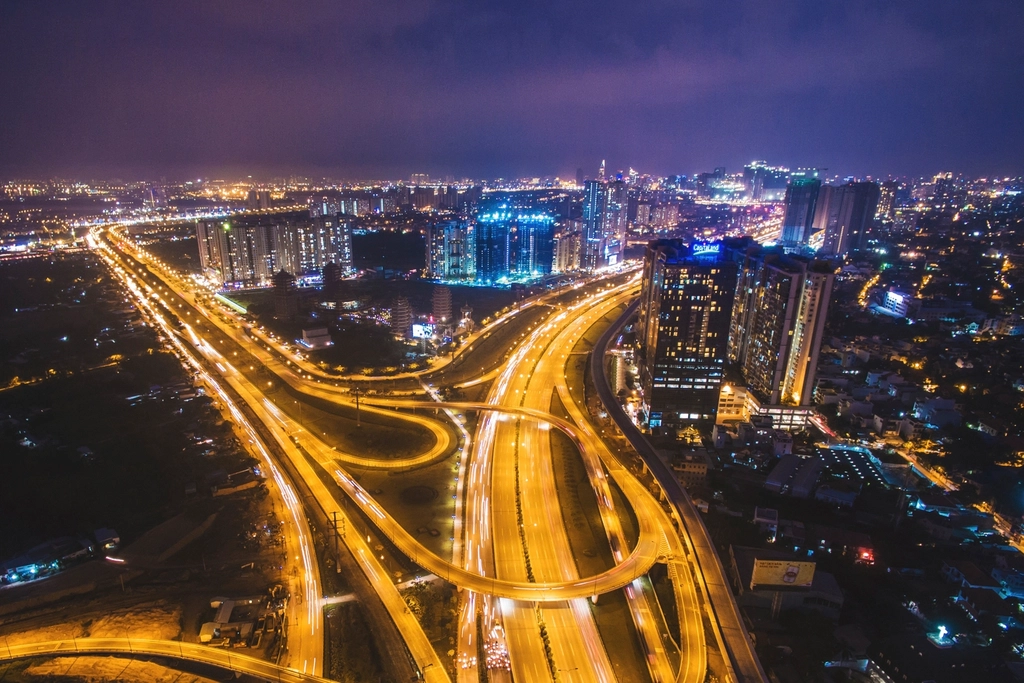
Vietnam is quickly becoming a top destination for expats, thanks to its mix of affordable living, dynamic cities, welcoming locals, and natural beauty. Whether you’re planning to work remotely, teach English, retire, or simply explore a new lifestyle, Vietnam offers plenty of opportunities.
Visas: What Are Your Options?
Vietnam’s visa policies can be complex and subject to change, so it’s important to stay up to date. Here are the main types of visas for long-term stays:
- Tourist Visa (eVisa): Available for citizens of many countries, valid for 30 days and extendable once in some cases.
- Business Visa: Often used by digital nomads or freelancers. Usually valid for 3–12 months with multiple entries. Requires a sponsoring company.
- Work Visa & Temporary Residence Card (TRC): If you’re employed by a Vietnamese company or teaching English, this is your best option. The TRC can be valid for 1–2 years.
- Investor or Retirement Routes: Vietnam doesn’t have an official retirement visa, but some expats invest in businesses or property as a long-term solution.
Always work with a trusted visa agent or legal consultant, especially for extensions or conversions.
Renting in Vietnam: Easy and Affordable
Renting an apartment or house in Vietnam is relatively easy and often doesn’t require long-term leases. Here’s what to expect:
- Cities like Ho Chi Minh City and Hanoi offer a range of rentals—from studio apartments to luxury condos. Prices range from $250 to $700/month, depending on location and quality.
- Short-Term Rentals: Many apartments are fully furnished and available for 1- to 6-month leases, ideal for new arrivals.
- No Agent Needed: Many rentals can be found on Facebook groups or sites like Batdongsan or Airbnb (for temporary stays).
- Deposits: Typically 1–2 months’ rent upfront.
- Utilities: Not always included; electricity, water, and internet may cost an extra $50–$100/month.
Pro tip: Visit neighborhoods first to get a feel for noise, access, and convenience before committing to a rental.
Other Essentials
- Healthcare: Private hospitals in major cities are excellent and affordable, especially with international health insurance.
- Internet & Connectivity: Fast, reliable, and cheap. Perfect for digital nomads.
- Language: Learning basic Vietnamese helps with daily life, even though English is common in tourist and expat areas.
Recommended Resources
- Vietnam Visa Updates: https://vietnam-immigration.org
- Rental Listings: https://batdongsan.com.vn
- Expat Housing Groups: [Facebook – Ho Chi Minh City / Hanoi Apartments for Rent]
- Cost of Living: https://numbeo.com/cost-of-living
- Healthcare Info: https://vietnam-briefing.com
- Language Learning: https://duolingo.com

Job Portals
Teaching English:
Renting
Legal Guidance for Foreigners Renting Property in Vietnam
Dos and Don’ts
✅ Dos and ❌ Don’ts When Moving to Vietnam
✅ Dos
- Do learn basic Vietnamese phrases
A few words like xin chào (hello), cảm ơn (thank you), and bao nhiêu tiền? (how much?) go a long way and are appreciated by locals. - Do carry cash
Vietnam is still largely a cash-based economy, especially outside major cities. ATMs are widely available, but cash is king in local markets and small eateries. - Do try street food
It’s cheap, delicious, and often fresher than restaurant food. Just follow the locals to find the best spots. - Do negotiate gently
Bargaining is expected in markets and some services—but always do it with a smile. - Do use Grab (or Gojek)
These ride-hailing apps are the easiest and safest way to get around, especially in cities like HCMC and Hanoi. - Do register with your embassy
For safety and updates, especially during emergencies or political changes.
❌ Don’ts
- Don’t assume everyone speaks English
In big cities, it’s common, but in smaller towns and local government offices, you may need help from a translator or a Vietnamese friend. - Don’t disrespect local customs
Dress modestly in temples, take your shoes off before entering someone’s home, and avoid public displays of affection. - Don’t touch people on the head
The head is considered sacred in Vietnamese culture, especially for children. - Don’t compare Vietnam to your home country
Embrace the differences. It’s not “better” or “worse”—just different. - Don’t overstay your visa
Overstaying can lead to fines, denial of re-entry, or legal trouble. Keep track of your visa status and renew or exit on time.
Important Information
Smart Traveler Enrollment Program (STEP)
What is STEP?
The Smart Traveler Enrollment Program (STEP) is a free service for U.S. citizens and nationals traveling or living abroad. By enrolling your trip, you allow the U.S. Department of State to reach you quickly and accurately in case of an emergency.
Why Enroll?
- Stay informed with real-time updates on health, safety, weather, and security conditions in your destination country.
- Be prepared with helpful information from the nearest U.S. embassy or consulate.
- Get support during emergencies like natural disasters, civil unrest, or family emergencies—so the embassy can contact you quickly if needed.
How long does it take to fill out: Approx. 20 minutes
How Long Can U.S. Citizens Stay in Vietnam?
U.S. citizens cannot enter Vietnam without a visa. Unlike some nationalities that are eligible for short-term visa exemptions, Americans must secure a valid visa before traveling to Vietnam. In order to work in Vietnam, you must apply for a visa and a work permit which is valid for 12 months as well as if you plan on staying in Vietnam longer than 3 months.
Visa Options for U.S. Travelers
1. E-Visa (Electronic Visa)
U.S. passport holders can apply online for a single-entry e-visa, which allows them to stay in Vietnam for up to 30 days. The application process is fairly quick—typically 3 to 5 business days—and the fee is about $25 USD.
2. Visa on Arrival
This option requires travelers to obtain a pre-approval letter from a travel agency in Vietnam. Once they land at select international airports, they can pick up their visa. Note: this method may come with additional processing fees and longer wait times.
3. Visa from a Vietnamese Embassy or Consulate
For longer stays or multiple entries, travelers can apply directly at a Vietnamese embassy or consulate. The length of stay and processing time vary depending on the visa type requested.
Important Tips
- Your passport must be valid for at least 6 months beyond the date you plan to arrive in Vietnam.
- Authorities may ask for proof of onward travel or a return ticket, so it’s a good idea to have that ready.
- If you overstay your visa, you could face fines or deportation, so plan ahead to avoid any issues.
Videos
At the time of this video, YouTuber The Story KT explains how difficult is it to find a teaching job in Vietnam since it’s not required to learn in schools, being Black, and he goes on further for this explanation.
Video credit: The Story of KT
Video credit: Queen of DC
This video is the most important of them all
Video credit: Visabox Travel
Vietnam Visa for US Citizens: Everything You Need to Know!
Video credit: Island Hopper TV
Best Things To Do in Ho Chi Minh City Vietnam 2025 4K
This YouTuber shows a lot of Ho Chi Minh City that tourist may not know about as well as places that are tourist attractions which makes this video so original.
Video credit: What The Pho
A detailed list of places to visit in Ho Chi Minh City.
Sources:
- Vietnam E-Visa Portal: https://evisa.gov.vn
- University of West Florida Study Abroad Office: https://uwf.abroadoffice.net/consular-info-sheet-vietnam.html
- eVisaGov Vietnam Info: https://www.evisagov.vn
Comments
If you have any travel experiences that matches this blog post or different from what is written in the blog post, please comment on what you have experienced in Vietnam?
If you have experienced any travel issues at the airport when arriving in Vietnam, please share it with all of us so that it will help others whether to try out Vietnam or not. Thanks!







Leave a Reply